 Choosing the right shower goes beyond style. The bathroom’s size, its plumbing layout, your budget, and how you’ll use the shower all come into play.
There are plenty of options, from tub-shower combos and corner units to walk-in showers and custom setups. Here is how to make sure you’re choosing wisely.
Quick Takeaways
- The best choice depends on available space, preferred layout, and planned usage.
- Walk-in showers are great for modern aesthetics and accessibility.
- Tub-show combos work well for smaller houses and families.
- Corner alcove showers maximize space when it’s severely limited.
- Plumbing layout and drain locations affect all installation choices.
- Professional installation ensures waterproofing, proper drainage, and long-term performance and efficiency.
What Does “Choosing Shower Types” Really Mean?
Shower type choices begin with your desired enclosure style, where drains are available, what the wall configuration is, and whether fixtures are compatible. Shower choices affect both installation costs and long-term use, so you need to choose wisely. You also need to consider whether you want a full kit, a modular design with some flexibility, or a fully custom system.
Common Shower Types for Homes
Walk-In Showers
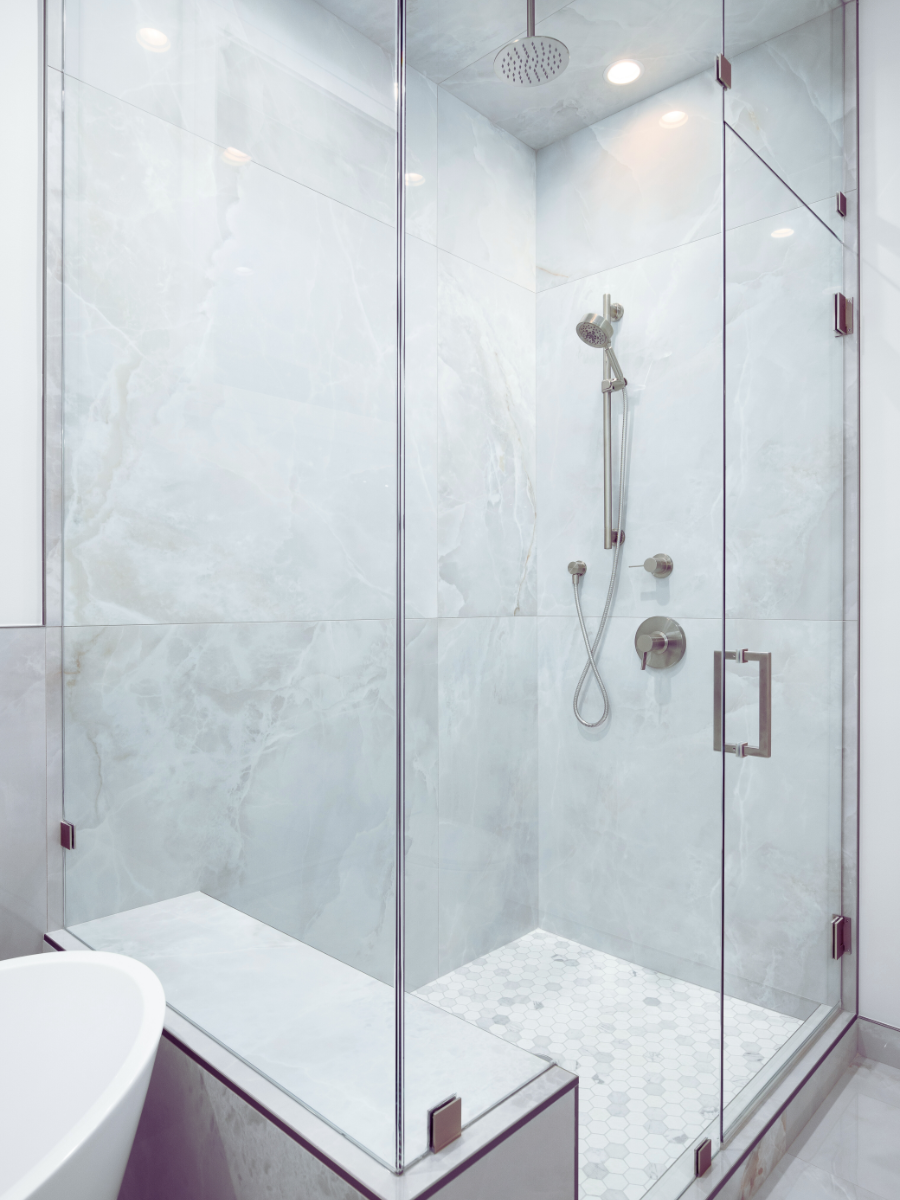
These are open designs with either no door or a highly minimal glass panel. The barrier-free entry system reduces slip-and-fall risks, making it ideal for aging-in-place needs for folks who want to maintain a shower. The downside is that walk-ins tend to require more floor space than other options.
Tub-Shower Combos
A bathtub and shower operate as a single unit. If some household members prefer soaking while others would rather shower, this maximizes flexibility when space is at a premium. Families, especially ones with small children, often prefer these kinds of units.
Alcove Showers
An alcove shower wedges into the corner of three walls, often with a door or curtain enclosing it. The space usage is efficient, and the walls often offer plenty of ways to configure the plumbing.
Corner Showers
The idea here is to fit the shower snuggly into the corner of a bathroom to maximize the usable floor space. The angular design has a strong contemporary aesthetic. This is also one of the best designs for pre-fabricated kits.
Custom Showers
Custom designs give you the most ways to mix and match shapes, materials, and functionality. If you want to add features like multiple showerheads or exotic tiling, a custom design is great.
Custom showers require considerable planning to ensure proper drainage and code compliance. They have the highest upfront cost but generally offer the best resale value, too.
How to Choose the Right Shower Type for Your Bathroom
 The size and layout of the bathroom are going to be the first factors. For example, a walk-in shower typically needs at least 36-by-36 inches to work well. Corner and alcove designs work best when space is limited.
Household needs are your next factor. The requirements for a tub-shower combo for a family with little kids are going to be quite different from those for someone who wants an aging-in-place design that minimizes tripping hazards. High-traffic bathrooms may need tougher materials and easier-to-clean surfaces, too.
Budget always plays a role. Preface and alcove units are typically the most affordable, with tub-shower combos acting as the middle ground. Walk-in and custom showers are usually the most expensive, thanks to custom designs and materials, premium fixtures, and frameless glass.
Style preferences are another factor. Do you want a sleek and open look? Something with more privacy but less refinement? You also have to make decisions about porous versus non-porous materials.
Future resale value should also show up in your choice. Walk-in showers tend to be winners. On the other hand, houses should have at least one tub-shower combo to attract buyers with children.
Plumbing and Installation Considerations Most Homeowners Miss
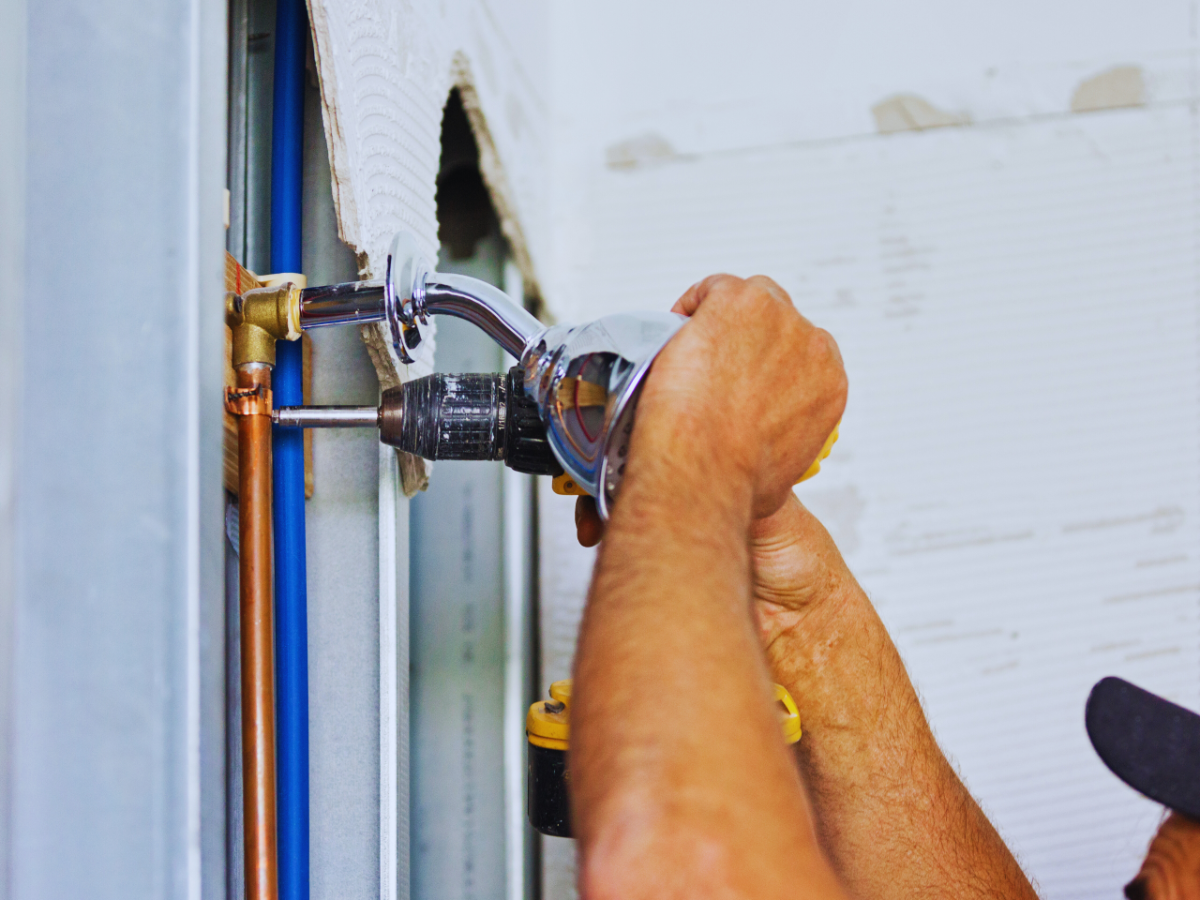
Drain location and slope are basic issues, and relocating the plumbing is inherently costly. Similar issues arise when it comes to water supply lines and pressure. You also want to be sure that your shower will have enough leak prevention to remain waterproof for decades to come.
Ventilation is another major requirement because moisture control prevents mold buildup in a bathroom. Likewise, code requirements and permits will shape your choice.
Shower Features That Impact Your Choice
There are plenty of choices for shower features. For example, you can choose showerhead designs like:
- Rainfall or overhead
- Handheld
- Multi-function
- Body sprays
You will also need to decide between a glass enclosure and curtains. Many homeowners also want benches or built-in niches for seating. You need to think about what type of valve and temperature control you want in a shower, too.
Walk-In vs. Tub-Shower Combo: Which Is Better?
Walk-in showers offer easy daily access, better safety, more openness, and better resale value. Tub-shower combos work well for smaller bathrooms and are attractive to households with kids.
Common Mistakes When Choosing Shower Types
The biggest mistake tends to be basing the decision entirely on aesthetics. This leads to issues like:
- Overlooking plumbing limitations that lead to extra costs
- Leaving budget as a later consideration
- Creating waterproofing challenges
People often assume that setting up a shower is a good DIY project. This leads to problems like improper slope for drainage, using the wrong fixtures, and eventually causing water damage.
FAQs About Choosing Shower Types
What is the best shower type for a small bathroom?
We recommend corner showers and alcoves. Tub-shower combos are available that work well with these configurations.
Are walk-in showers better than tubs for resale value?
The current resale market sees walk-in showers, especially ones with open designs and frameless enclosures, as inherently classier and worth more. However, you should consider a bathtub or a combo in a different bathroom for greater value.
Can I convert my tub into a walk-in shower?
Yes, this is a common conversion. The existing drains are often reusable, although waterproofing is a critical part of the process.
How much space do I need for a walk-in shower?
We recommend at least a 36″x36″ space, but 36″x48″ is preferable. Bear in mind that these designs require more floor space to provide enough slope for drainage.
Do different shower types require different plumbing?
Every shower type has different plumbing needs, with custom and walk-in showers generally being the most demanding.
How long does professional shower installation take?
Shower installation time varies depending shower type. Prefab showers take 1-2 days. Custom showers, especially ones with complex tiling, take 5-10 days.
Need Shower Installation in Tampa, FL? Call Benjamin Franklin Plumbing
 Benjamin Franklin Plumbing is the provider of choice for many households in Tampa, FL, and the surrounding areas. Our professionals can help you find the right shower based on layout, plumbing, and long-term requirements rather than just selling you on looks. Our licensed plumbers handle everything from walk-in showers and full custom installations to dealing with drainage and code compliance.
Prepared to upgrade your bathroom? Contact the punctual plumbers at Benjamin Franklin Plumbing right now to schedule a shower installation.