Most sump pumps give warning signs before they fail completely. Strange noises, constant cycling, poor water removal, visible rust, leaks, and excessive vibration can all indicate your sump pump needs professional attention. Addressing these problems early can help prevent basement flooding and costly water damage.
If you notice any signs that your sump pump may be failing, you need to take care of it as soon as possible. Waiting until heavy rains arrive to fix a failing sump pump could turn a minor problem into an emergency that could cost thousands of dollars to repair. With that being said, here are 8 warning signs that your sump pump needs immediate attention.
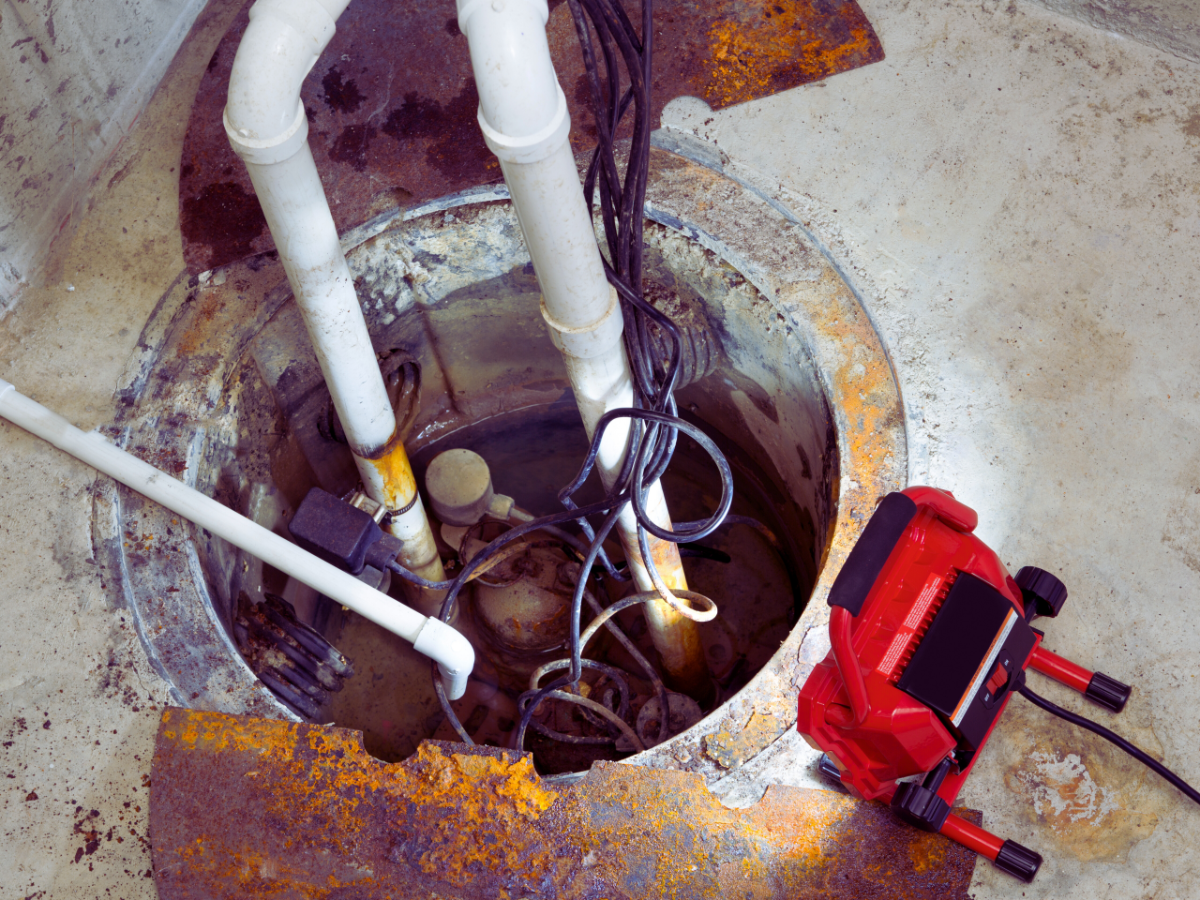 Quick Takeaways
- Most sump pumps show warning signs before they fail.
- Unusual noises and constant cycling are common early indicators that something is wrong.
- Pumps that don’t remove water properly should be promptly inspected.
- Water leaks, rust, and excessive vibration are all signs of mechanical problems.
- Early repairs can help prevent flooding and expensive water damage.
1. Your Sump Pump Runs Constantly
A sump pump is only supposed to activate when the water in the pit where the pump sits reaches a certain level. The higher water level activates the float switch, which turns on the pump. Once the water level lowers again, the pump should turn off.
If your pump runs constantly, it might have a stuck float switch, drainage issues, or simply be too small to keep up with the amount of water it needs to remove from your basement. In any event, constant running can greatly lower a sump pump’s lifespan due to wear and tear and overheating. Have your pump inspected if you think it’s running more than it should.
2. It Makes Unusual Noises
A healthy sump pump usually makes a low humming sound when it’s on. This is completely normal and not cause for alarm.
On the other hand, rattling, grinding, and banging sounds are not normal and should be addressed immediately. Grinding sounds are often caused by a jammed or faulty impeller, while banging and rattling sounds usually mean that something is loose and needs to be tightly secured.
3. It’s Not Removing Water Efficiently
If you still have water in your basement even when your sump pump seems to be running, you might have a clogged intake screen or discharge line. Check to see if either of these are clogged with debris, which is common with sump pumps.
You might also have a problem with your impeller, which is the part that moves water through the pump and away from your house. Finally, it’s possible that your sump pump’s motor is failing or isn’t powerful enough for the size of your basement.
4. The Pump Turns On and Off Frequently
A sump pump should turn off and on as needed, but it shouldn’t cycle constantly. If it is, you might have a problem with your float switch or the sump pump is too large for your house. This short-cycling is hard on your sump pump and should be addressed as soon as possible.
5. You Notice Rust, Corrosion, or Physical Damage
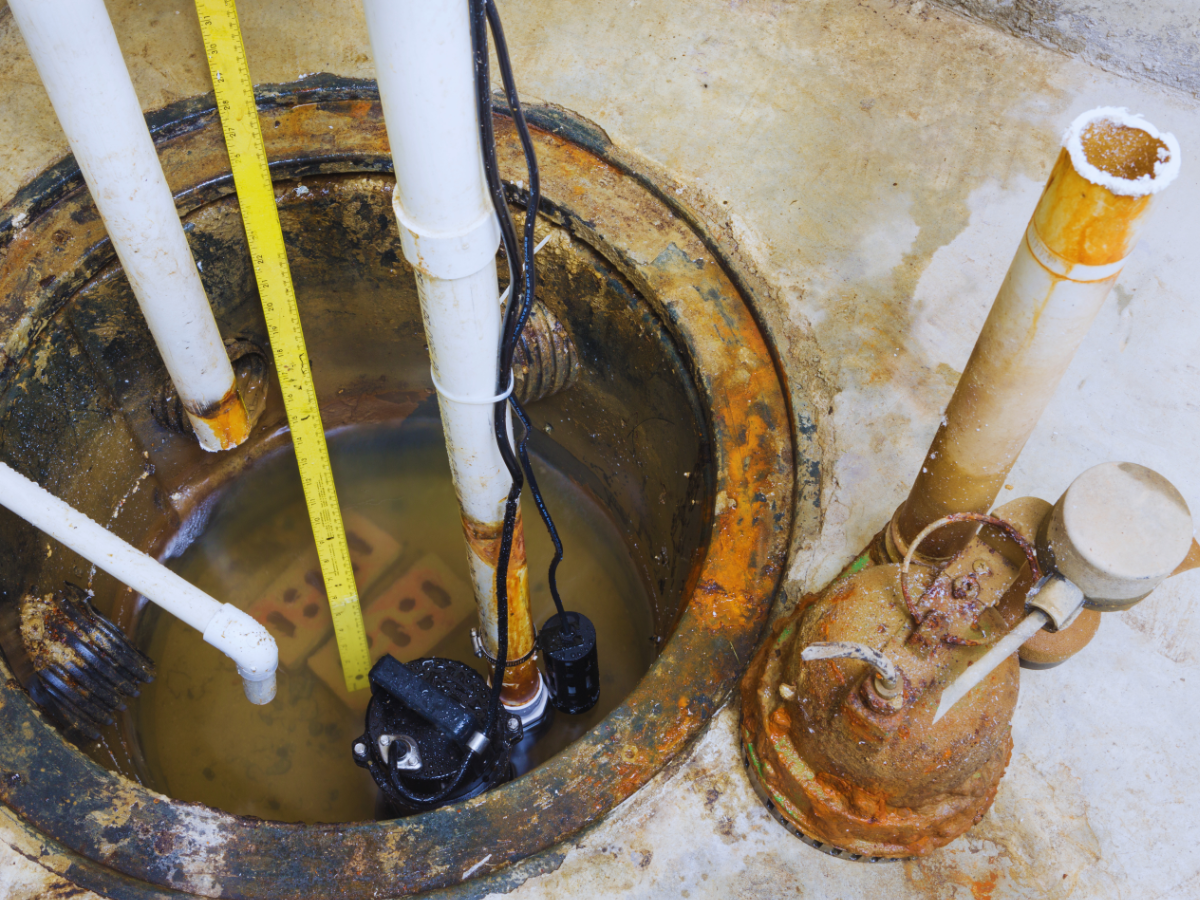 Rust, corrosion, and cracks in your sump pump’s housing are all signs that your pump may be damaged. It may seem to work just fine with a little bit of rust or even a tiny crack in on the outside, but rust and cracks can spread and turn into a serious problem later on.
At the very least, this kind of physical damage is a sign that your sump pump is getting old and may have worn parts that could break down very soon.
6. The Pump Vibrates Excessively
Excessive vibration could mean that a sump pump is unbalanced, misaligned, or not secured tightly in the sump pit. It could also mean that something is loose in the pump itself. In any case, excessive vibration is always bad for your pump as it can lead to greater wear and tear if it continues for too long.
7. Water Is Leaking Around the Pump
A water leak in your sump pump could be caused by loose fittings, cracks in the discharge pipe, or failing seals. A leak will only get worse and could cause damage to your pump and the rest of your surroundings. It’s not difficult to fix a leak, but it must be done quickly to avoid water damage.
8. Your Sump Pump Is More than 7 to 10 Years Old
Most sump pumps can be expected to work reliably for 7 to 10 years. They can certainly last longer than that with proper maintenance, but you’re more likely to see the issues we discussed here in an older pump than in something relatively new. An older sump pump may not need to be replaced, but you should definitely have it inspected before the next major storm season.
What Should You Do if You Notice These Warning Signs?
If you notice any of these warning signs or otherwise suspect that your sump pump needs attention, the first thing you should do is test the pump. Take a 5-gallon bucket or large pitcher and pour water directly into the pit.
If everything is working properly, the pump should start within about 2 seconds and begin pumping water out of the pit and through the discharge line. The pump should run for 15 to 30 seconds and remove almost all of the water from the pit.
If it isn’t working properly, you’ll likely notice fairly quickly. The pump may not turn on at all, it may run for too long, or the water level in the pit may go down too slowly.
Your next step should be to check the discarge line and intake screen. Debris often clogs these components, so clear any that you find if it’s safe to do so.
If you notice any other problems such as strange sounds, excessive vibration, or leaks in the discharge line, contact a plumber for assistance. You’ll almost certainly need a functional sump pump before the next heavy rain, so don’t wait.
Frequently Asked Questions
 How do I know if my sump pump is failing?
Signs of a failing sump pump include short-cycling, failing to remove all of the water in the sump pit, rattling or grinding sounds, or a failure to turn on at all. Problems are also more common in older sump pumps, so keep an eye on your pump if it’s between 7 and 10 years old.
Should a sump pump run all the time?
No. A sump pump should only run long enough to remove water from the sump pit. If it is running all the time, there may be a problem with the float switch.
How long does a sump pump usually last?
Most sump pumps last between 7 and 10 years, although they can last longer with proper maintenance.
Should I repair or replace my sump pump?
If your sump pump is under 7 years old and only requires minor repairs, you can safely repair it. If it’s older than that or requires frequent repairs, you’re better off replacing it with something new.
Protect Your Home Before the Next Storm
If you notice any of these signs with your sump pump, don’t hesitate to call the Punctual Plumbers at Benjamin Franklin Plumbing. We provide sump pump repair services to homes in Tampa, FL and the surrounding areas, so give us a call to schedule a repair or inspection before the next heavy rain season.