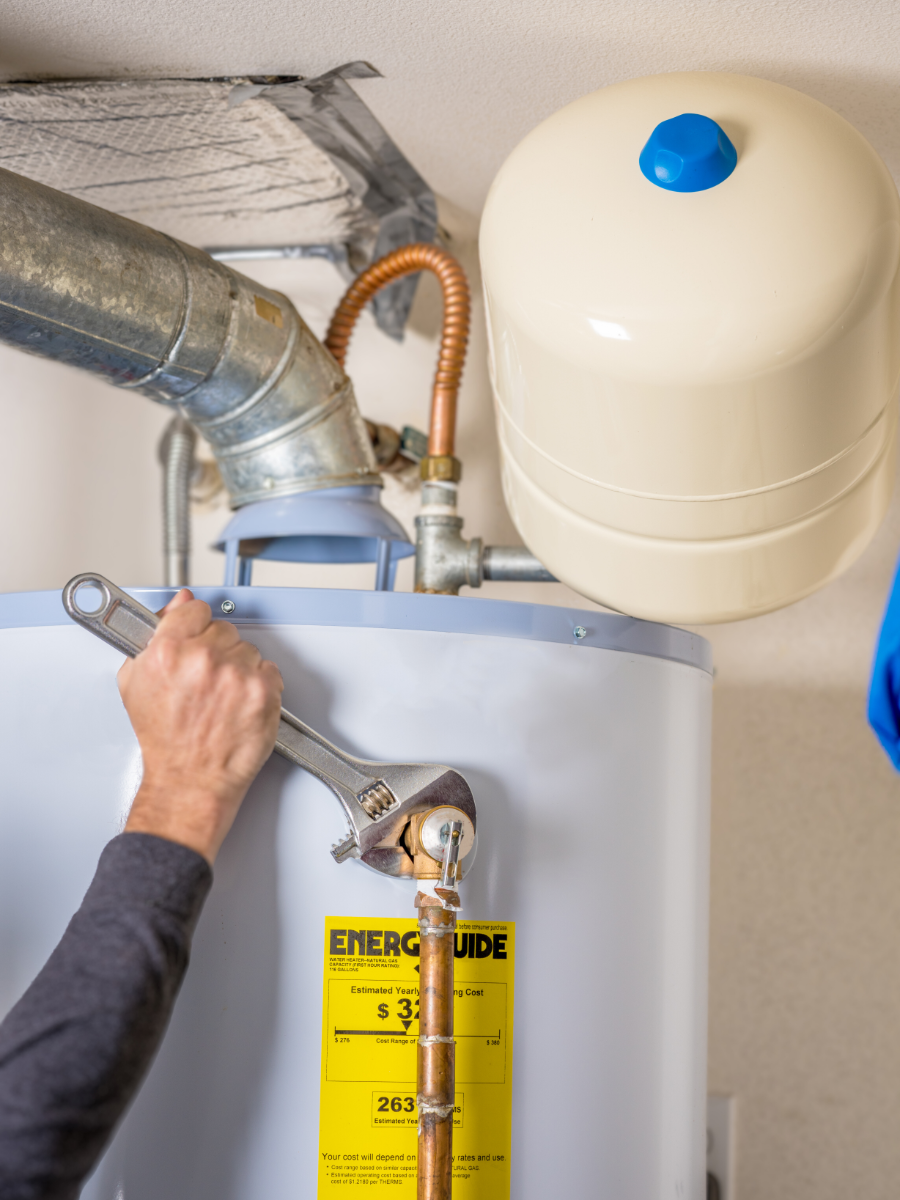
 Is your water heater up to code in Tampa? That’s an important question to ask yourself, both in relation to if it was initially installed in a legal and safe manner and if it has remained so in the time that’s passed since then. Importantly, if you’re considering getting one installed or repaired, ensure that this process involves it being kept up to code.
Why is it crucial to keep a water heater up to code? The main reasons include failing to do so potentially resulting in costly fines, the voiding of your warranty and, most importantly, dangerous risks that everyone in your home experiences, such as a greater potential for leaks, fires and explosions.
Overview of the Florida Water Heater Code
Simply put, the Florida Building Code and any relevant local ordinances that apply to you should always be followed.
“Manufacturer’s Instructions”
Although there are a lot of details in the code that need to be adhered to, an especially important one to note is that “manufacturer’s instructions” must be followed when your water heater’s installed.
Pressure Relief Valves
Additionally, pressure relief valves should be installed so that when water heaters reach a specified atmospheric pressure level, pressure relief as well as temperature relief take place. Most significantly, directing that discharge to a safe location will keep you and others in your house safe from severe burns and explosions.
Note that relief valves should possess the label of an “approved agency.”
Drainage Pan and Discharge Pipes
A discharge pan must have at least 1-1/2 inches of depth and be large enough to handle what’s drained from your water heater. Also make sure that it’s made of approved materials, the most commonly used ones being galvanized steel, aluminum and plastic.
Also, the connected indirect waste pipe must be at least 3/4 of an inch in diameter.
Where what goes into this drainage pan and discharge pipes should ultimately be dispelled is into a receptor or floor drain or sent outside. In the latter set of circumstances, the system should end between 6-24 inches above the exterior ground.
Elevation of Units
Your water heater itself should be elevated, especially if it’s located somewhere like a garage. In that type of scenario, its minimum height must be 18 inches, which will help ensure that flammable vapors here don’t ignite.
Note that areas that have an opening to the garage and are also not associated with a living space are legally defined as being part of that garage.
Ventilation and Clearances
Following regulations related to ventilation is also important as it ensures that your interior air remains safe to breathe. So is making sure that your water heater’s maintaining safe clearances from any combustible materials.
Combustion Air Supply
Those with fuel-powered water heaters should make certain that appropriate combustion air supply’s being utilized as failing to do this could put you in hot water with the authorities as well as make your home a more dangerous place to be. In most circumstances, 50 cubic feet per 1,000 Btu/h of your water heater’s input rating is the minimum required volume.
Common Code Violations in Tampa
 There are a few code violations that our punctual plumbers come across much more often than others.
Leaking Water Heaters
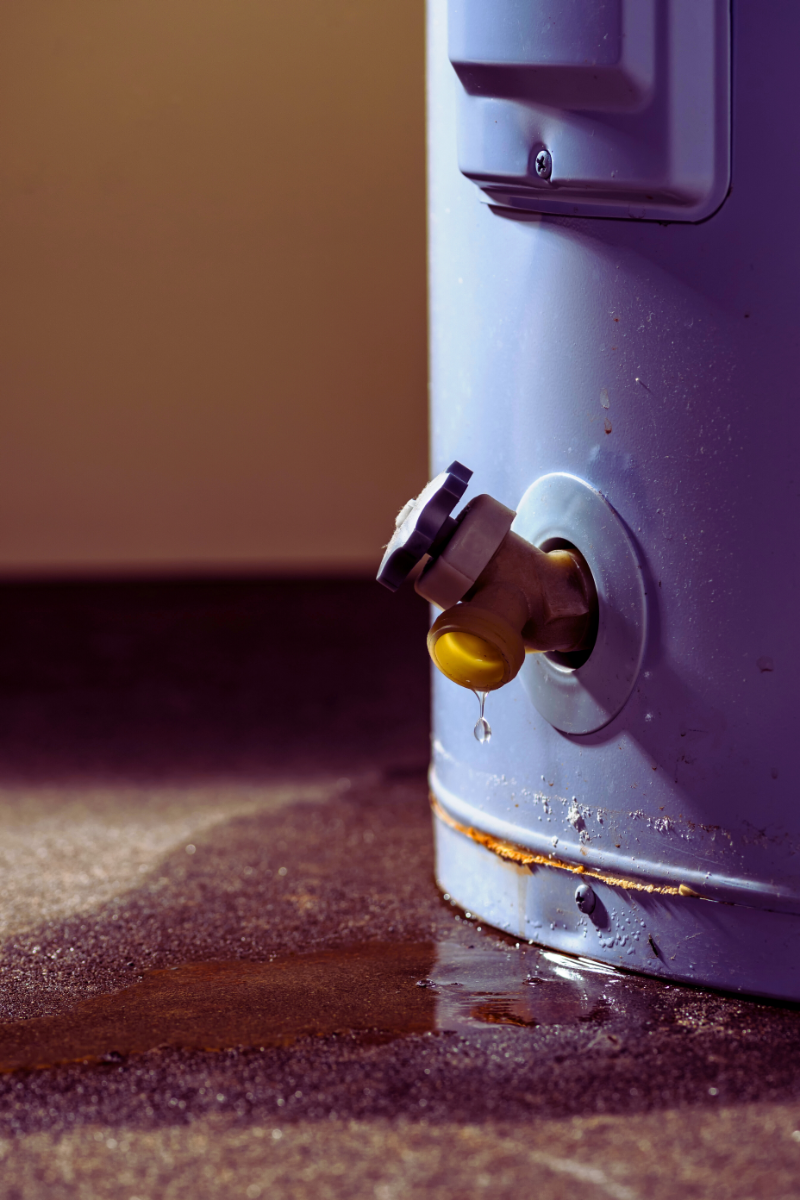
A common way that leaking water heaters cause a code violation is through a leaky spot not having a catch pan underneath to, well, catch that excess liquid. That said, if the leak’s resulting in gas or pressure escaping, the situation’s much more urgent, for both safety and code-related reasons.
Improper Venting
Also, one of the main dangers of not keeping your water heater up to code is improper venting resulting in carbon monoxide poisoning or other gases entering your living areas in too high of a concentration.
Lack of Proper Drainage
A missing or improperly installed drainage system can result in issues ranging from relatively mild water damage to devastating fires while carbon monoxide poisoning is possible in this scenario as well. Also note that there are several requirements related specifically to your drainage system that must be met in order for you to be kept up to code.
Absence of Required Safety Features
A simple absence of required safety features happens more often than it should. Common examples include missing temperature and pressure relief valves and clearances that are inadequate and not up to code.
Steps to Ensure Compliance
There are a few steps that you can take to ensure that you’re compliant with all relevant codes.
Professional Inspection
Have a professional who’s familiar with the codes and regulations that are applicable to Tampa homeowners regularly inspect your water heater. This individual will be able to quickly identify any code violations that are occurring and rectify them.
Permits and Approvals
Obtain any required or recommended permits and approvals when you get a water heater or any relevant parts of it installed or replaced.
Consequences of Non-Compliance
There are two main types of consequences that you may suffer as a result of non-compliance.
Safety hazards is one, and note that a fundamental reason why these codes were passed was to help protect homeowners from water damage, explosions and fires.
The other is legal and financial repercussions. If you don’t keep your water heater up to code, you may be required to pay fines or otherwise be penalized. There could also be issues with insurance companies.
Our Punctual Plumbers Protect People
 It is imperative to adhere to water heater codes for safety and legal reasons, and our punctual plumbers at Benjamin Franklin Plumbing here in Tampa, FL, can help you do just that.
We’ll install your water heater, make necessary repairs, and inspect it, all while ensuring that it’s kept up to code and you’re kept safe.