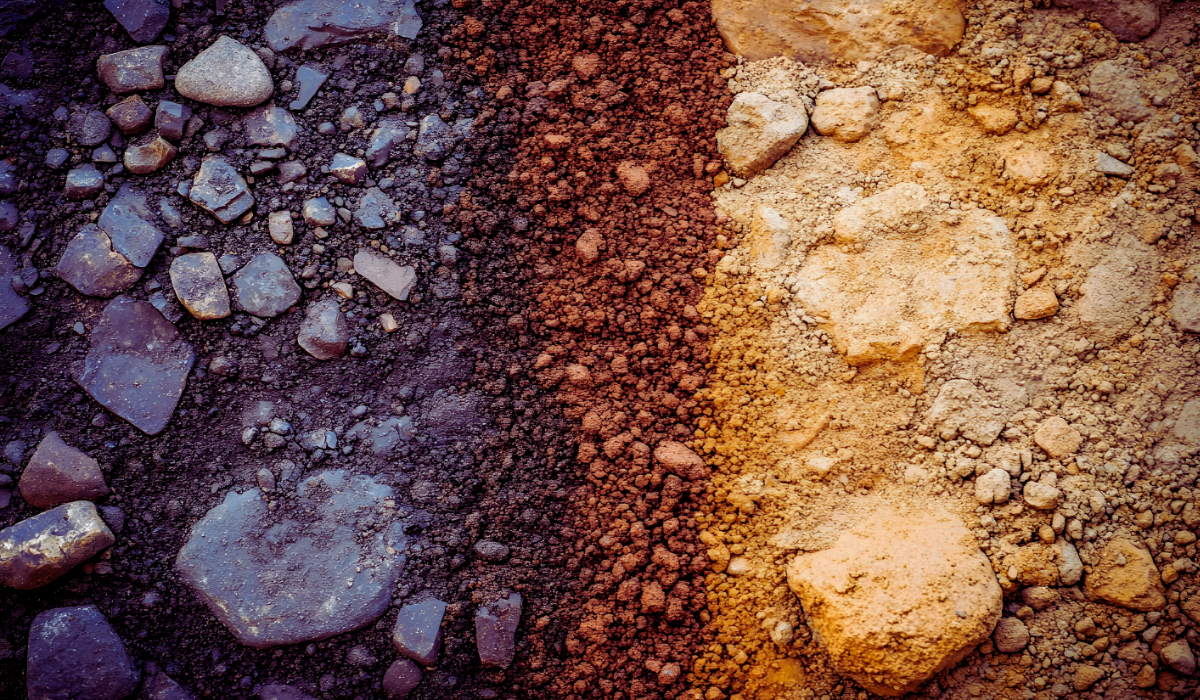
 Florida’s vast expanses of sand are heaven for tourists and sun-lovers. For homeowners, though, sandy property is no day at the beach.
Across the state, the soil can contain significant amounts of sand. It’s a particular problem for coastal areas and low-lying regions — the city of Tampa, for instance.
What’s wrong with sandy soil?
Consider the following:
- It shifts around frequently.
- It erodes and washes away easily.
- It contains more pores than typical soil, making it easier for moisture, air, and plant roots to reach farther down.
All of these issues can stress, expose, or dislodge buried water lines. Consequently, underground pipes are more susceptible to damage and leaking.
Fortunately, professional water installations, regular inspections, and trenchless repair techniques can all counter the negative effects of sandy soil.
But how exactly does sand affect buried pipes? Which signs of water line trouble should you be aware of? And how could Benjamin Franklin Plumbing strengthen and protect your entire plumbing system?
How Sandy Soil Impacts Underground Water Lines
To start with, most of the sand within Florida soil is silica sand.
Regrettably, this type of sand doesn’t compact well. Thus, in soil, it can cause these plumbing issues:
1. Pipe Misalignment
When a pipe is surrounded by, say, loam or clay, it’s anchored firmly in place.
However, when a pipe is installed in sandy soil, it can shift over time. It could sink, sag, separate at its joints, or all of the above.
Note that, after a heavy rain or drought, buried pipes are especially likely to move or break apart.
2. Erosion and Washouts
When soil is sandy, it can’t stop water from flowing downward. Therefore, the material around an underground pipe will eventually wash away. And then, without any support, various pipe sections could crack or even collapse.
This soil erosion is even more pronounced when a yard is sloped or when its drainage system is inadequate.
3. Increased Leak Risks
When soil moves, it places stress on a buried pipe’s joints and fittings. That pressure can cause damage, and that damage can lead to leaks.
In fact, even a hairline fracture in a pipe can cause water to leak out 24 hours a day. It really adds up over time.
Furthermore, leaking pipe water will quickly drain into the ground. As such, it can take longer to detect the leak.
Of course, these leaks can cause numerous problems: pest infestations, fungal growth, yard flooding, foundation damage, and more.
4. Root Intrusion
Tree and shrub roots grow longer in sandy soil — they spread farther, and they go deeper into the ground.
When that happens, plant roots often damage weak pipe joints further. They might even block a pipe altogether. And, in certain circumstances, a full pipe collapse is possible.
Signs Your Water Line Is Affected by Sandy Soil Conditions
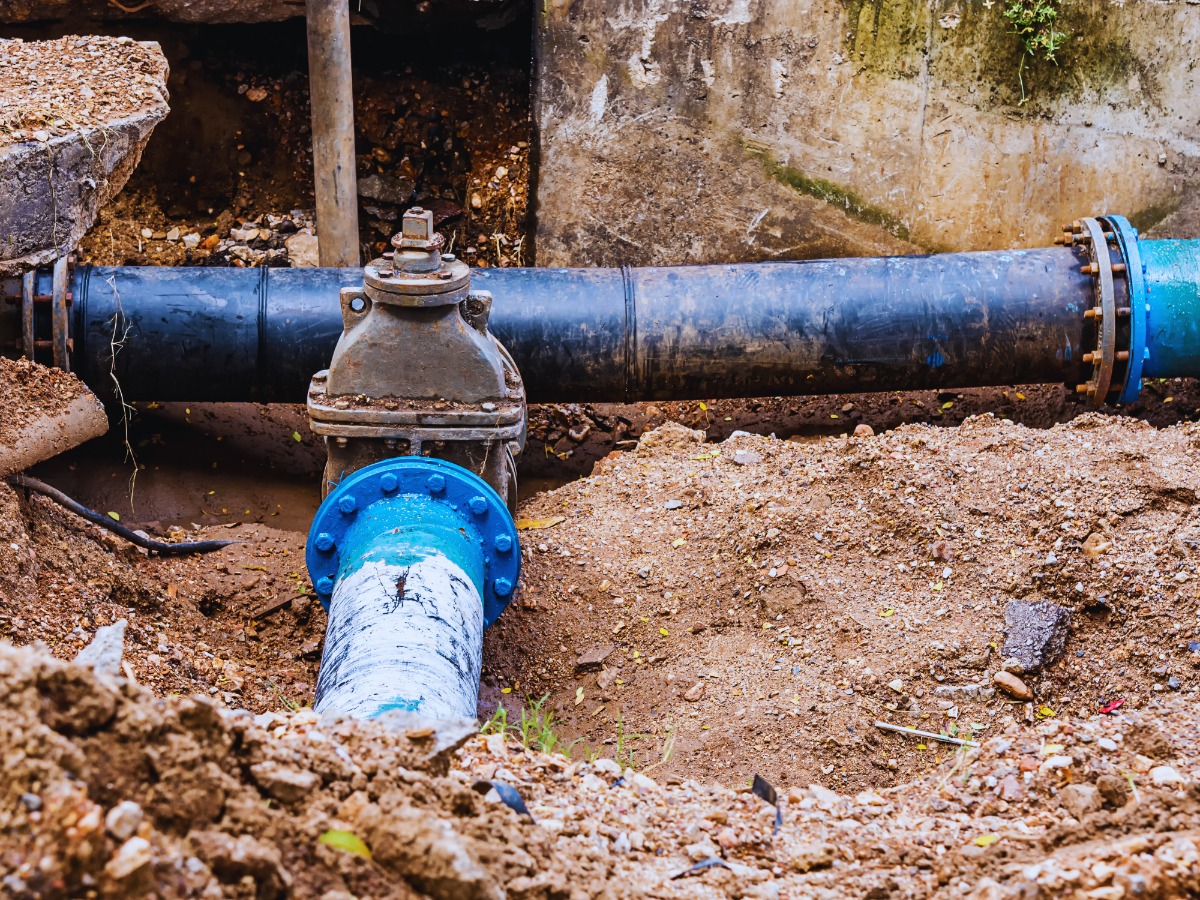 How would you know if one of your buried pipes is misaligned, blocked, fractured, or otherwise compromised?
Well, you might spot one of these telltale signs:
- The water pressure throughout your home drops for no apparent reason.
- Your yard is full of soft or wet patches — even when the weather’s dry.
- Your yard looks uneven.
- Your water bills suddenly go up even though your household hasn’t used extra water.
- Near the main line connection, you hear whistling or hissing.
- The water from your faucets is cloudy or rust-colored. (This occurs when there are corrosion-related leaks.)
Local Factors That Make Tampa Homes Vulnerable
Certain conditions in Tampa are especially hard on underground pipes.
Just consider the characteristics below:
- High water tables
- Frequent and intense rainstorms
- Outdated pipe materials in older neighborhoods
- Coastal salt exposure
Yes, each of these factors can increase corrosion and aggravate sandy soil issues.
Why Professional Help Matters
To protect your pipes and improve your plumbing, always turn to a pro.
Sure, you could try a DIY approach: You could dig up your yard and patch up your pipes. But such efforts are time-consuming and labor-intensive. And they’re almost always unproductive.
In fact, do-it-yourself plumbing often makes problems worse. It can speed up erosion, for example, and it can damage pipes even further.
By contrast, professional plumbers can identify the root causes of underground pipe damage and address them effectively. For instance, a pro might utilize trenchless technologies and soil-stable installation techniques.
In short, your plumber will repair or replace your buried pipe with minimal excavation. Afterwards, your home will be fully up to code. And your pipe’s surroundings will be more stable and secure.
A professional could also replace a pipe that’s made from an outdated material. In that case, your new PEX or HDPE pipe would be much more flexible and corrosion-resistant than your old pipe. And it’ll be capable of withstanding rainwater, soil shifts, and other hazards.
Benjamin Franklin Plumbing: Sandy Soil’s No Match for Our Pipe Pros!
 If your soil’s got you down, Benjamin Franklin Plumbing is here to help.
Our licensed technicians have plenty of experience working in Florida-specific soil conditions. And they can provide you with the strongest, longest-lasting pipes possible — pipes made from the toughest of modern materials.
All of our punctual plumbers specialize in buried water line repair and replacement, and they’re all trenchless technology experts. And we’re not kidding when we call them “punctual plumbers.” Every project we tackle comes with our famous guarantee: “If There’s Any Delay, It’s You We Pay!”
So have you been noticing the signs of water line damage lately — maybe a damp yard, a suspiciously high water bill, or low water pressure in your sinks and showers? Well, don’t just bury your head in the sand!
Instead, you could call Benjamin Franklin Plumbing of Tampa, FL. After all, a durable and leak-free home plumbing system isn’t just a pipe dream.