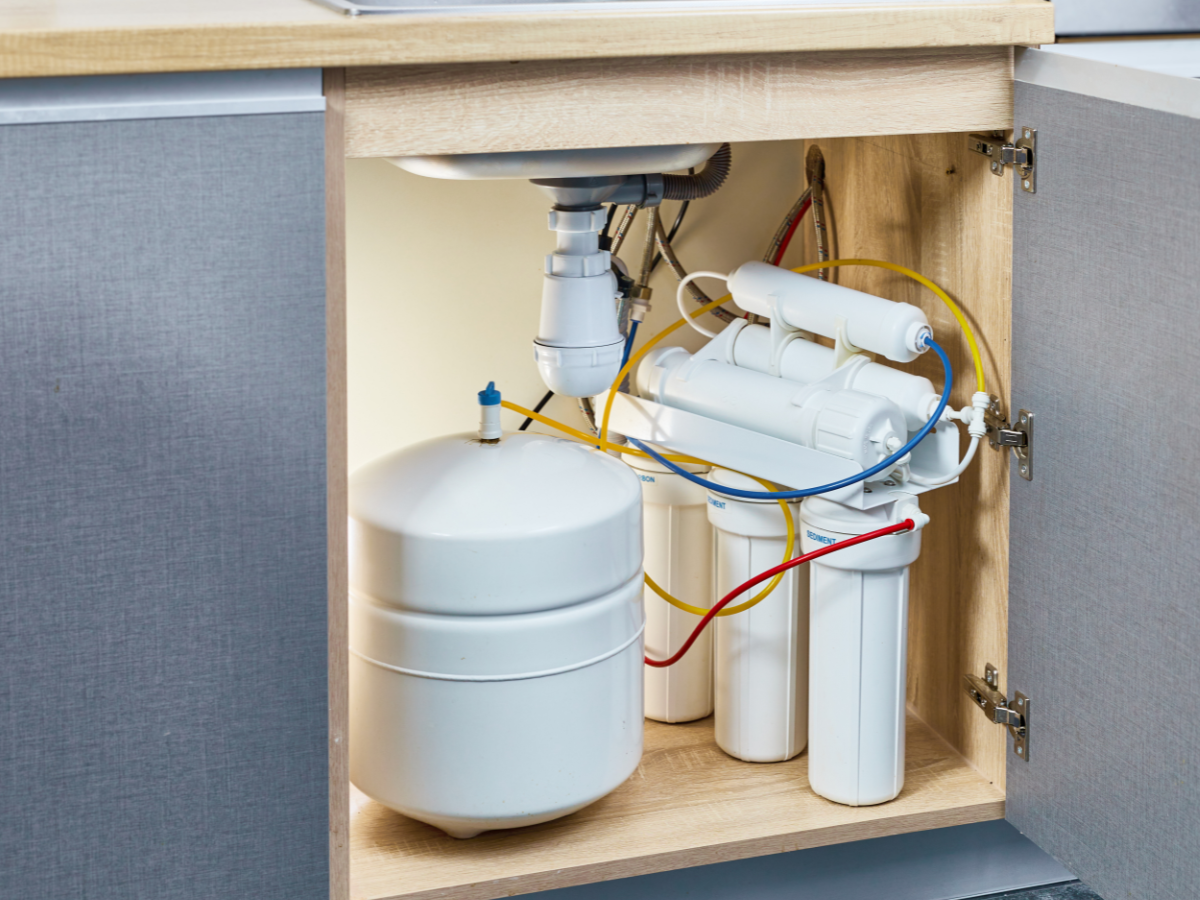
 You can use a filtration system to reduce the amount of fluoride in your home’s water. However, not all systems work as efficiently or as well as others, so it’s critical to understand the differences between them before making a purchase decision.
Let’s take a closer look at how filtration systems work, the various types of systems and how the folks at Benjamin Franklin Plumbing can help.
Quick Takeaways
- Not all filtration systems remove fluoride.
- Reverse osmosis removes the most fluoride (typically 90%+)
- Activated alumina and distillation systems can also reduce fluoride levels.
- Most pitcher filters and basic carbon filters do not remove fluoride.
- Water quality, pH, contact time, and filter maintenance all affect performance.
- If you want lower fluoride levels, choose technology designed specifically for fluoride reduction.
What Is Fluoride and Why Is It in Drinking Water?
Fluoride is a naturally occurring mineral that is found in most sources of water. Adding additional amounts to tap water can help protect teeth from decay and other issues.
However, adding too much fluoride may result in cognitive issues as well as potentially hinder bone development in children and teens.
Do Water Filtration Systems Remove Fluoride?
Generally speaking, water filtration systems are capable of removing various amounts of fluoride from your water. Reverse osmosis filters tend to do the best job of removing this mineral while ion exchange filters have a mixed record when it comes to doing so.
Carbon activated filters generally do a poor job of removing fluoride but can be useful in getting rid of other minerals in your water.
Filtration Methods That Remove Fluoride
Reverse Osmosis
The reverse osmosis process involves pushing water through a semipermeable membrane. As the molecules go through the membrane, fluoride and other minerals are separated and captured by the membrane.
Activated Alumina
Alumina is a mineral that creates a large surface area for trapping impurities in water when heated. This is a process known as adsorption and can be relatively efficient in most homes assuming that you properly maintain the purification system.
Distillation
Distillation involves boiling a liquid to separate it into its base components and then cooling it so that it can condense again. Often, distillation is practical for small scale uses as it can involve a significant investment of time and money for systems designed for an entire home.
Filtration Methods That Do NOT Remove Fluoride
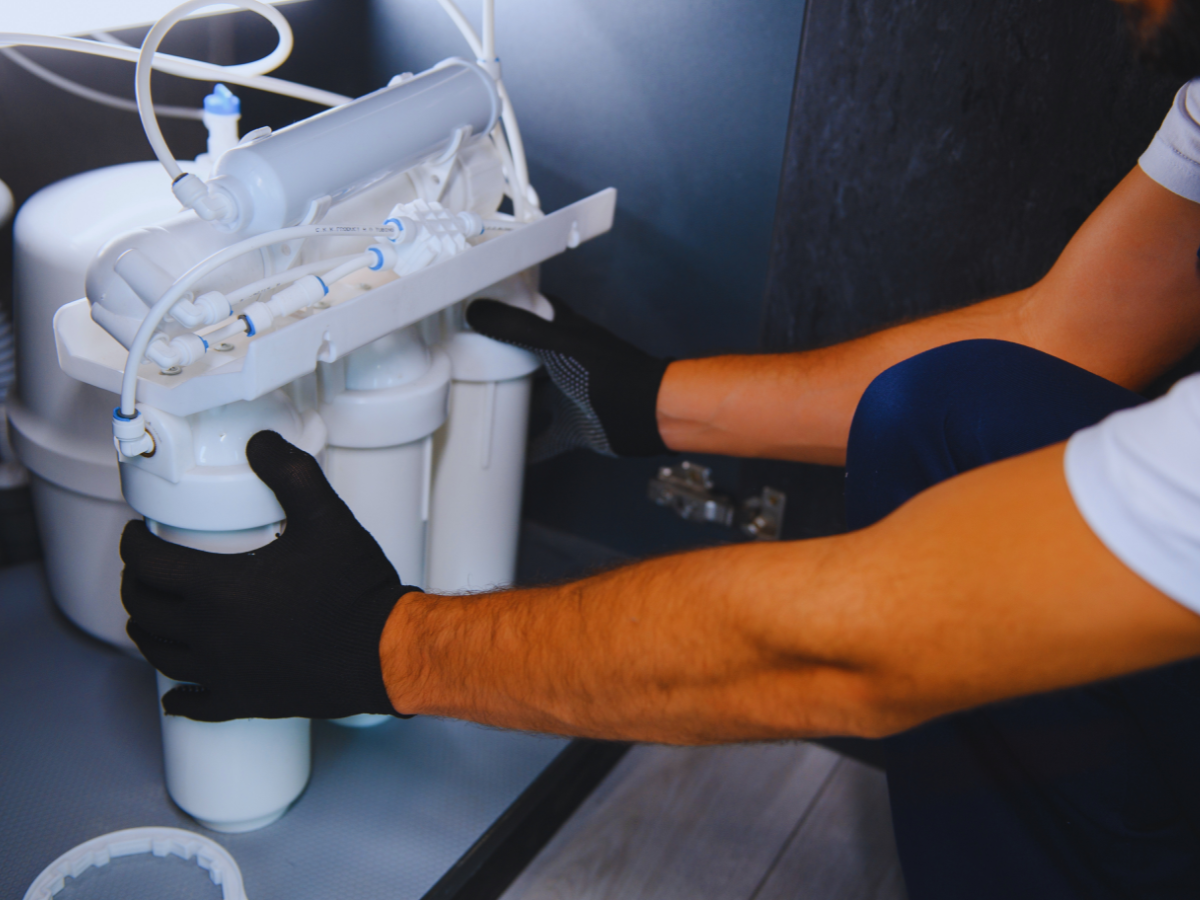 Generally speaking, the filters that you put inside of a pitcher or on your tap won’t do much to remove fluoride. The same is typically true of most basic sediment catchers as well as standard carbon activated filters.
How Fluoride Removal Works
A fluoride ion is relatively tiny and typically carries a negative charge. The lack of size of a typical fluoride ion is why most traditional filters struggle to capture them. However, specialized filters are designed to capture them or make use of materials that have fewer gaps for the ions to fall through.
Factors That Affect Fluoride Removal
The pH of the water itself can play a role in how effective your fluoride removal system is. However, the type of system as well as the quality of the tools at your disposal also matter. Ideally, you’ll follow a maintenance and replacement schedule as well as only use tools that are rated to meet your needs.
How to Choose the Right Fluoride-Removing Filter
Ideally, you’ll start with a water quality test to determine how much fluoride you need or want to remove. From there, determine if you want an under-the-sink system or a whole home product. Your choice will be based largely on the home’s existing plumbing system as well as your affinity for system maintenance.
Benefits of Using a Fluoride-Removing System
Water that has reduced levels of fluoride may taste better and can be better suited for young children or other sensitive individuals. Furthermore, you’ll have more control over what you and your family consume.
Limitations to Keep in Mind
Reverse osmosis systems may create water waste as well as potentially strip other minerals away that will need to be replaced. Maintenance and filter replacement costs will also need to be accounted for prior to installing a fluoride reduction system in your home.
FAQs About Fluoride Removal
Do Brita or PUR filters remove fluoride?
In most cases, a standard Brita or PUR filter will not effectively remove fluoride from drinking water.
Does boiling water remove fluoride?
Boiling water is generally seen as ineffective as it relates to removing or reducing fluoride levels.
How much fluoride does reverse osmosis remove?
The amount of fluoride removed depends on a number of factors such as the quality, condition and age of the filtration system itself.
Is it safe to drink water with fluoride?
Assuming that fluoride levels in the water are within federal guidelines, it is safe to consume.
Do whole-house filters remove fluoride?
A whole-house filter can remove fluoride from drinking water. As with any other system, performance will depend on the type of system that you use, the amount of fluoride you want to remove and other relevant factors.
Can I combine filter types for better fluoride reduction?
It may be possible to use multiple filtration systems to remove fluoride. However, there is no guarantee that you’ll see improved results by doing so.
Need a Fluoride-Removing Filter Installed? Call the Punctual Plumbers
 If you are looking for punctual plumbers in Tampa to help with your water filtration needs, the team at Benjamin Franklin Plumbing can help you right now!
We can test your home’s water, install reverse osmosis or other filtration systems and take other steps to ensure that you and your family have quality drinking water. Give us a call today to learn more about how we can help.