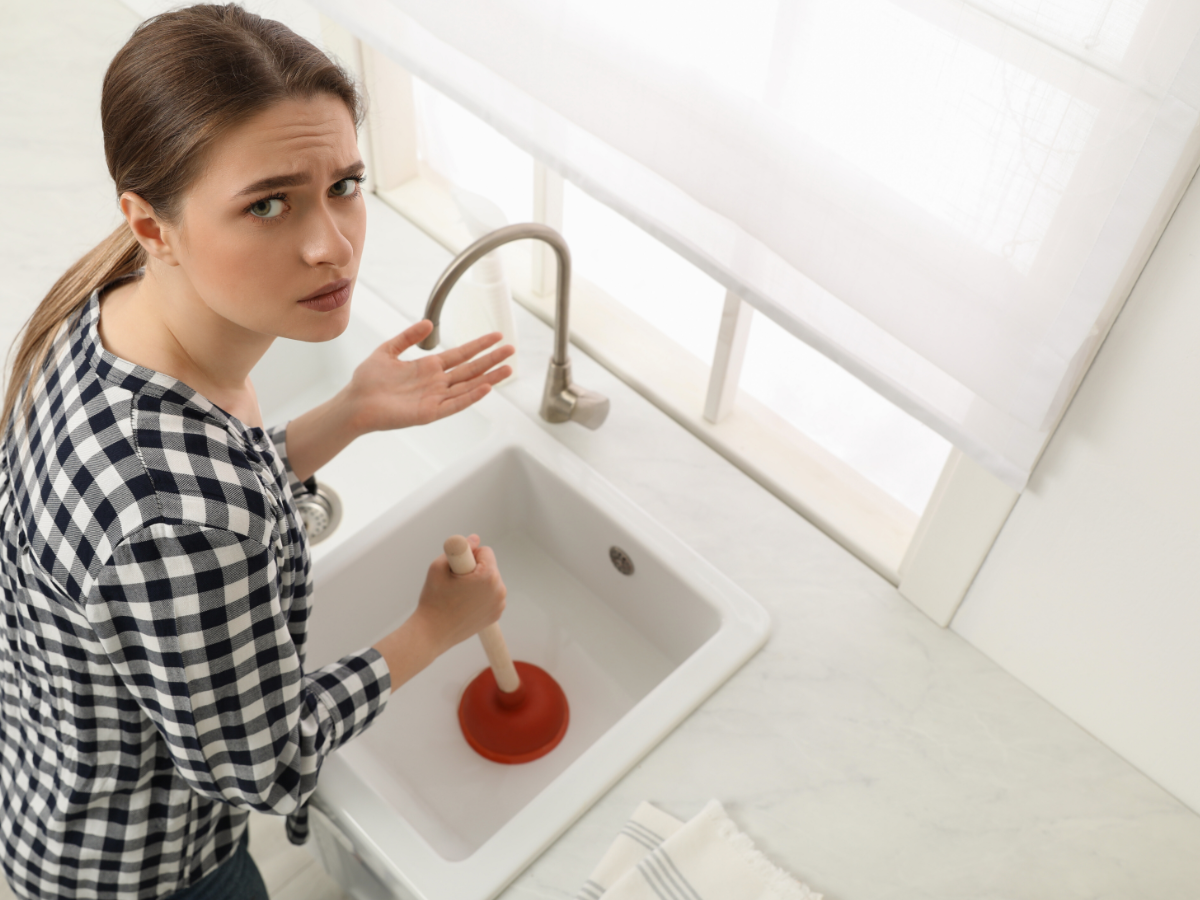
 Everyone has to deal with clogged or dirty drains at some point. This is usually seen as a minor inconvenience that can be solved with plungers, drain snakes, and some chemical drain cleaner. Sadly, DIY drain cleaning solutions can only take you so far.
You may have cleared enough of a clogged drain to allow the water in your sink or bathtub to drain, but the problem could come back due to hidden issues that you can’t fix yourself. To make matters worse, your DIY fixes could be making your problems worse, especially if you’re relying too much on chemical drain cleaners or using your plumbing tools incorrectly.
When it comes to cleaning your drains, you need to know what you can safely fix yourself and when to call a plumber. Let’s take a look at some common DIY drain cleaning solutions and see why a quick fix isn’t always the best course of action.
The Hidden Risks of DIY Drain Cleaning
Drain cleaning may seem like a simple and safe task, but it contains hidden risks to your home and to yourself.
Pipe Damage from Harsh Chemicals
Pouring a chemical drain cleaner down a clogged drain may seem like a simple and effective solution to your plumbing problems, but these products are caustic and acidic enough to eat through the plastic and metal in your pipes if you rely on them too much. The heat from the reactions they cause can also weaken seals and joints, especially in older pipe systems.
Safety Hazards for Homeowners
As you could probably guess, chemical drain cleaners aren’t great for your own health. First of all, they give off toxic fumes that can irritate your lungs and eyes, especially when they’re doing their job and eating away at a clog in your drain.
Second, they can irritate or burn your skin if they splash or spill. They need to be caustic enough to eat through a mass of hair and grease in your drain, so imagine what they can do if they spill on you.
Ineffective for Deep Clogs
Finally, chemical drain cleaners simply aren’t effective when you have a deeper mainline clog. They usually eat away at just enough of a clog near the top of your drain to allow water to go through.
Most of the clog remains, and it will eventually grow and stop up your plumbing again before too long. Fighting the ongoing problem with more drain cleaner will just damage your pipes and give you even bigger plumbing problems.
Common Mistakes People Make with DIY Drain Cleaning
 Cleaning or unclogging a drain seems like a simple task, which only leads to homeowners making common mistakes when they try it themselves.
Overusing Chemical Drain Cleaners
By far the most common DIY drain cleaning mistake that people make is relying too much on chemical drain cleaners. We’ve already discussed how much trouble these products can cause, but it can’t be stressed enough.
If you’re going to use a liquid drain cleaner, use it sparingly.
Improper Use of Snakes and Wires
Plumbing snakes are effective when they’re used correctly, but they can push clogs deeper into a pipe and even damage plumbing when they aren’t.
Again, make sure that you’re using a drain snake correctly. Otherwise, leave the snaking to a professional plumber.
Ignoring Warning Signs
Many people think they don’t have to worry about a drain until it’s hopelessly clogged, but there are usually signs that your plumbing is in trouble before things get to that point. These signs include:
- Gurgling sounds
- Slow drains
- Standing water in sinks or bathtubs
If you notice these signs, you almost certainly have a hidden plumbing problem, even if your drains seem to be working well enough for now.
You should also keep an eye out for multiple clogged drains in your home. That’s usually a sign that you have a problem with your sewer system that will definitely be beyond your means to fix by yourself.
What Works for Minor Clogs?
Even though many plumbing problems require professional service, you may still be able to clear minor clogs by yourself. Here are a few DIY solutions that are actually effective.
Plungers and Manual Snakes
Minor surface-level clogs in sinks and toilets can usually be cleared with a plunger or snake. A cup plunger is usually enough for a clogged sink, while a flanged plunger is ideal when you have a clogged toilet.
As for snakes, they’re great for breaking up hair, food, and grease clogs in most sinks and bathtubs.
If you use either snakes or plungers to remove a clog, make sure you’re using them properly. Using excessive force when plunging a stubborn drain could damage your plumbing, while going too deep with a snake could scratch your pipes.
Natural Alternatives
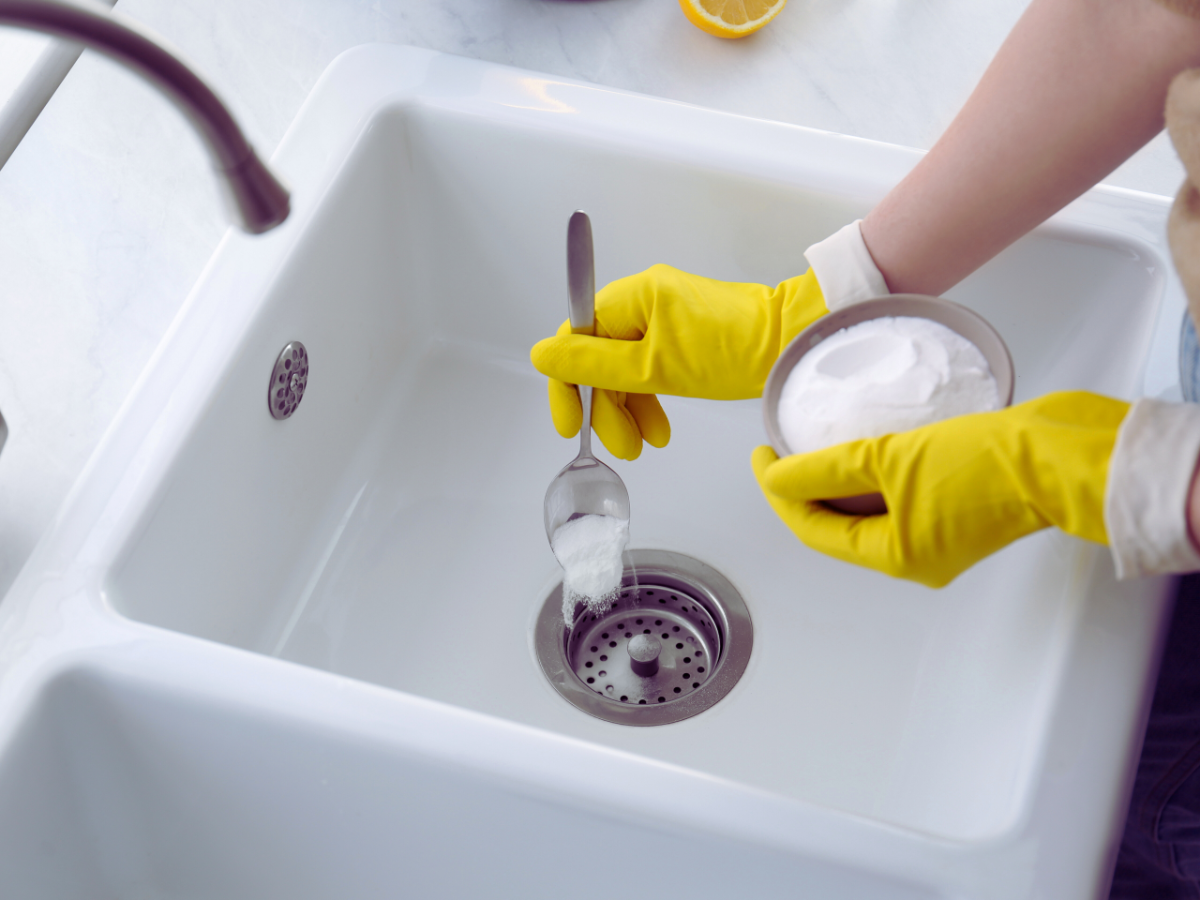 If you’re looking for a natural method of cleaning a clogged drain, you have some options available. For starters, you can make a safe drain cleaning solution with baking soda and vinegar.
Just pour 1/2 cup of baking soda down the drain followed by a cup of vinegar. Cover the drain, and wait 10 to 15 minutes. The baking soda will react to the vinegar and clear away much of the hair and grease blocking the drain.
If your kitchen sink is clogged with grease, you may be able to remove the clog with some boiling water and dish soap. Squirt some dish soap down the drain followed by a pot of boiling water.
Pour the water slowly down the drain in two stages. If the water drains slowly, you can try the baking soda and vinegar method to speed things along.
If you’re not comfortable clearing a clog yourself and would rather use a drain cleaning product, stick with an enzyme-based cleaner that will be safe for your septic system. They will still break up clogs like a chemical cleaner, but it will be safer for you and your home.
Preventative Habits
Of course, the best way to deal with clogged drains is to prevent clogs from forming in the first place. Be careful about what you put down your drains.
Cooking grease, coffee grounds, rice, pasta, eggshells, and fibrous fruits and vegetables should never be washed down your kitchen sink. Throw them in the trash instead.
As for your toilet, the only things that should be flushed are toilet paper and human waste. Again, everything else should go in the trash.
Since you can’t help washing hair and grease down a shower or bathtub drain, place a strainer to keep most of your hair out of the drain when you bathe.
When DIY Stops Working, Call a Professional
 If nothing you do to clear a clogged drain is working, it’s time to call a plumber for help.
Signs that It’s Time to Call for Help
As a rule, you should call a plumber for help whenever you’re not comfortable fixing a drain yourself or if nothing you try is working. You should also call for help if you have multiple clogged drains, you notice foul odors coming from your drains, or you have visible pipe damage.
Those are all signs that you have a serious plumbing problem that is likely beyond your means to solve.
Professional Drain Cleaning Advantages
Calling a professional is the best way to deal with a clogged drain in your home. Most plumbers use methods such as hydro-jetting and professional snaking to clear clogs and buildup safely and thoroughly.
They can also complete a camera inspetion to identify clogs and other problems within your septic system and provide long-term solutions to your plumbing problems. These solutions may seem more expensive at first, but they will save you money on repairs in the long run.
DIY Drain Cleaning FAQs
Can drain cleaner permanently damage PVC Pipes?
Yes, chemical drain cleaners can permanently damage PVC pipes. Many of them contain ingredients, such as sodium hydroxide, that generate heat that softens and weakens PVC over time.
Is baking soda and vinegar safe for all plumbing?
Baking soda and vinegar is safe for most plumbing systems, but the solution is very acidic and can cause older copper pipes to corrode.
How do I know if my clog is too serious for DIY?
If you’ve tried everything short of pouring a whole bottle of drain cleaner down your drain and still cannot remove a clog, it’s time to call a plumber for help. You should also give up your DIY attempts if you have multiple clogged drains or if there’s a foul smell coming from your drains.
Are enzyme cleaners effective in septic systems?
Yes, enzyme cleaners are effective in septic systems. They contain beneficial bacteria and enzymes that break down organic waste without harming the system itself.
How often should drains be cleaned professionally?
You should have your home’s drains cleaned professionally at least once a year. Your kitchen and bathroom drains should be cleaned more frequently, especially if you’ve had issues with clogs.
Protect Your Pipes the Smart Way
 While there are DIY solutions to some of your plumbing problems, there’s only so much that you can do before you need to call a professional. Trying to do too much on your own could lead to pipe damage or even create safety risks for your household.
If you’ve had problems with clogged drains in your home, call Benjamin Franklin Plumbing, in Tampa, FL today. Our punctual plumbers specialize in drain unclogging, leak detection, hydro-jetting, and much more. Call us today to learn more about our services.