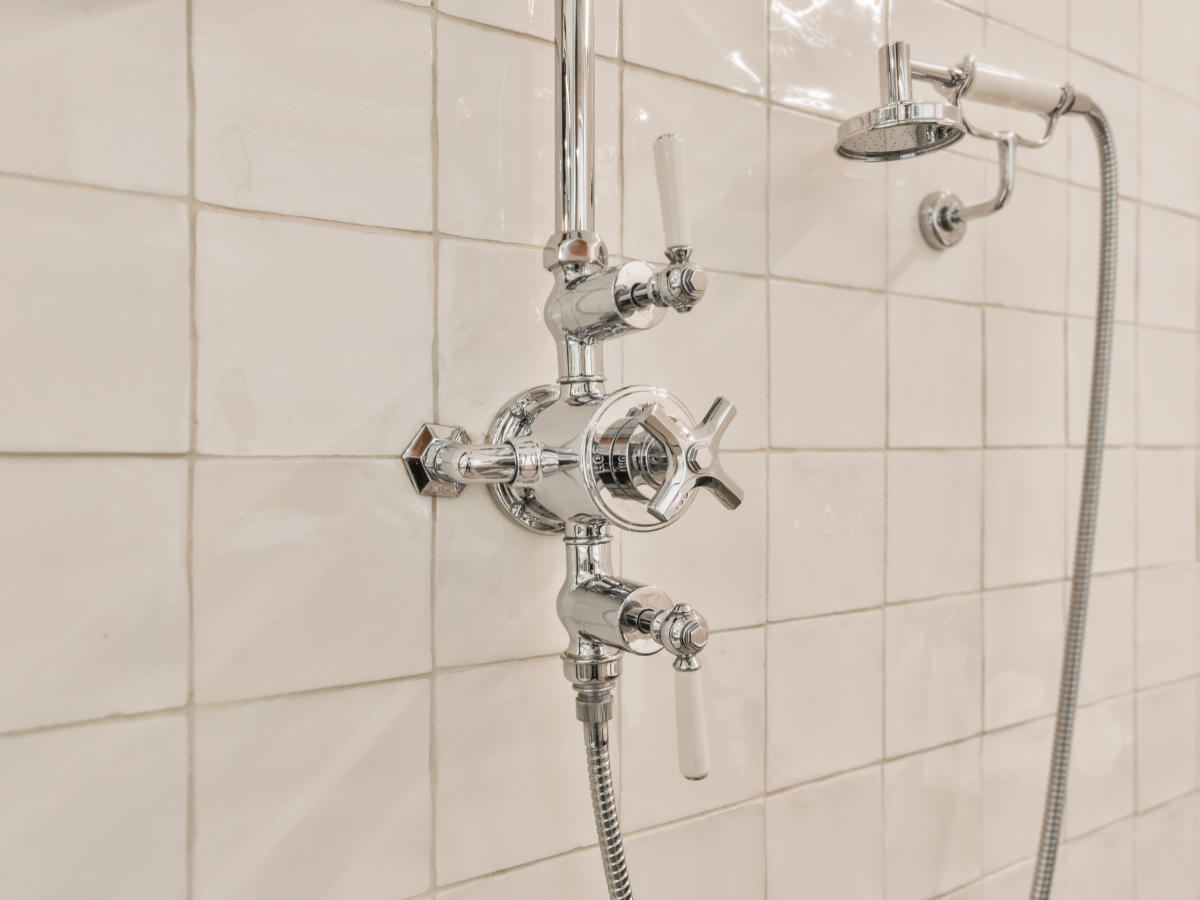
 For safe and comfortable showers, shower valves are essential. These hardworking devices keep your water temperature and water pressure exactly how you want them.
Whenever homeowners are remodeling, repairing, or replacing a shower, they often replace their shower valve as well. And they sometimes wonder: Are shower valves universal?
The answer is no.
Below, we’ll look closely at shower valves: what they are, what they do, and why they aren’t interchangeable at all.
Quick Takeaways
As we discuss shower valves, here are some key points to keep in mind:
- Shower valves are not universal.
- To find a valve that’s compatible with your shower, consider valve types, brands, and rough-in designs. (The rough-in, positioned inside a bathroom wall, is the valve’s main body.)
- You might experience shower performance issues if you mix valve brands or trim kits.
- To replace this valve, you’ll probably need to open up your bathroom wall.
- To avoid costly mistakes, have a licensed plumber confirm your new shower valve’s compatibility.
What a Shower Valve Does
Inside a shower valve, streams of hot water and cold water mix together. But that’s not all.
Shower valves are also responsible for:
- Turning your shower’s water supply off and on
- Controlling how much water emerges from your shower head or bathtub spout
- Achieving the precise water temperature that you desire
In fact, today’s shower valves can keep water temperatures consistent even when a home’s water pressure level spikes or drops.
Are Shower Valves Universal?
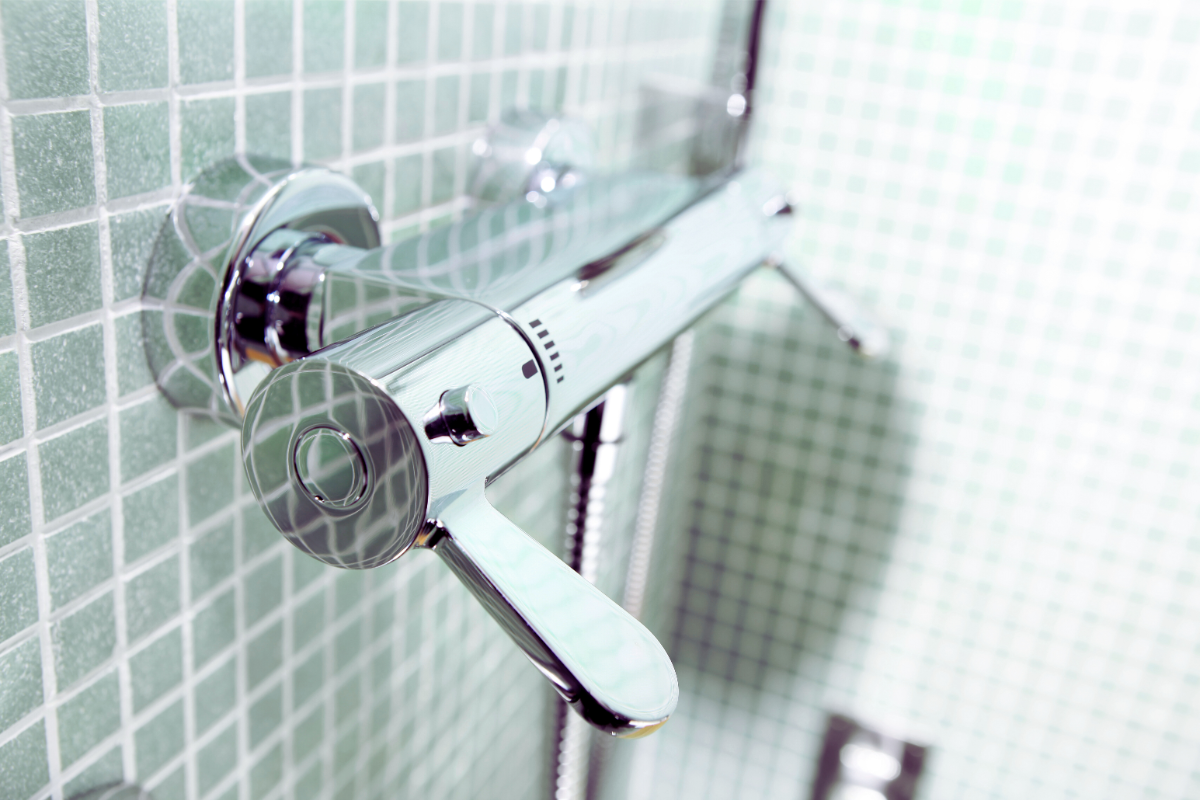 Far from being universal, shower valves vary considerably from manufacturer to manufacturer.
Indeed, most shower valve makers rely on their own special designs — designs to which they often hold the proprietary legal rights.
Here are just some of the variables:
- The cartridges, which are the internal control centers, are sized and shaped differently.
- The rough-ins come in various dimensions. Typically, a rough-in is only compatible with cartridges and trim kits from the same manufacturer.
- Shower valves can be made out of different materials, including brass, stainless steel, zinc, and even plastic.
- Valves with digital control systems each have their own unique software and interfaces.
Common Types of Shower Valves
In addition to manufacturer differences, shower valves come in different categories to serve different purposes. These are a few of the most common types:
Pressure-Balanced Shower Valves
A pressure-balanced valve equalizes a shower’s hot-water pressure and cold-water pressure. If there’s suddenly more cold water than hot water streaming in, it will instantly reduce that cold water stream (and vice versa).
Thermostatic Shower Valves
Thermostatic valves likewise keep water temperatures consistent. However, they have a sophisticated way of doing so.
Inside such a device is a thermostatic element, which is made of a substance similar to wax. When water temperatures fluctuate, the thermostatic element either expands or contracts. And, when its size changes, it triggers a piston, which then alters the hot water to cold water ratio.
Diverter Valves
For their part, diverter valves send streams of water down different paths. That way, water can emerge from different places. Besides the shower head and tub spout, water could come out of a handheld wand, a body spray nozzle, a waterfall spout, or a steam head.
People can direct where the water goes via the diverter valve’s control lever or knob.
Volume Control Valves
Volume control valves, meanwhile, let you adjust your shower’s water flow. You might like a full blast. You may prefer a trickle. Or maybe you enjoy something in between.
However powerful your water streams are, this type of valve will keep their temperatures consistent (perhaps by employing a thermostatic system).
As with diverter valves, people operate volume control valves with a knob or lever.
When Shower Valve Replacement Is Necessary
If your shower valve isn’t working properly, it doesn’t necessarily mean you have to replace the whole thing. It’s possible only one part of the valve is malfunctioning — the O-ring, the seal, or the cartridge, for example. In such a case, a plumber could simply replace that broken component.
Moreover, if you’re redesigning or redecorating your bathroom, you could replace your shower valve’s exterior features for aesthetic reasons. At the same time, if its interior parts are still working well, you could just keep them.
On the other hand, sometimes it’s better to replace an entire shower valve.
Such scenarios include the following:
- The shower head constantly drips.
- The valve is leaking behind your bathroom wall — as evidenced by water spots, molds, mildew, peeling wallpaper, damaged paint, musty odors, or warped flooring.
- On occasion, your shower water is suddenly too cold or too hot.
- Your shower’s water pressure is too low.
- Your shower handle is loose, stuck, or hard to move.
Be aware that shower valve lifespans vary significantly. Some of them can last for 20 years or longer; others may wear out in about five years.
Factors that affect how long a valve lasts include how often it’s used, how well it’s maintained, the materials it’s made from, and the hardness of the water.
Benjamin Franklin Plumbing: Showering Customers With Excellence
 Are you in the market for a new shower valve? Or would you like a licensed plumber to inspect, maintain, or repair your current model?
Benjamin Franklin Plumbing is Tampa’s trusted local expert for plumbing assignments of all kinds. Our punctual plumbers are profoundly knowledgeable and experienced.
If your shower valve is malfunctioning but salvageable, we’ll fix it so that it’s as good as new. If it’s beyond repair, we’ll install a new one that will work perfectly.
For affordable, reliable, top-notch plumbing services, please schedule an appointment with us as soon as you can. Once we handle all of your plumbing needs, you may feel the urge to sing joyously in the shower.