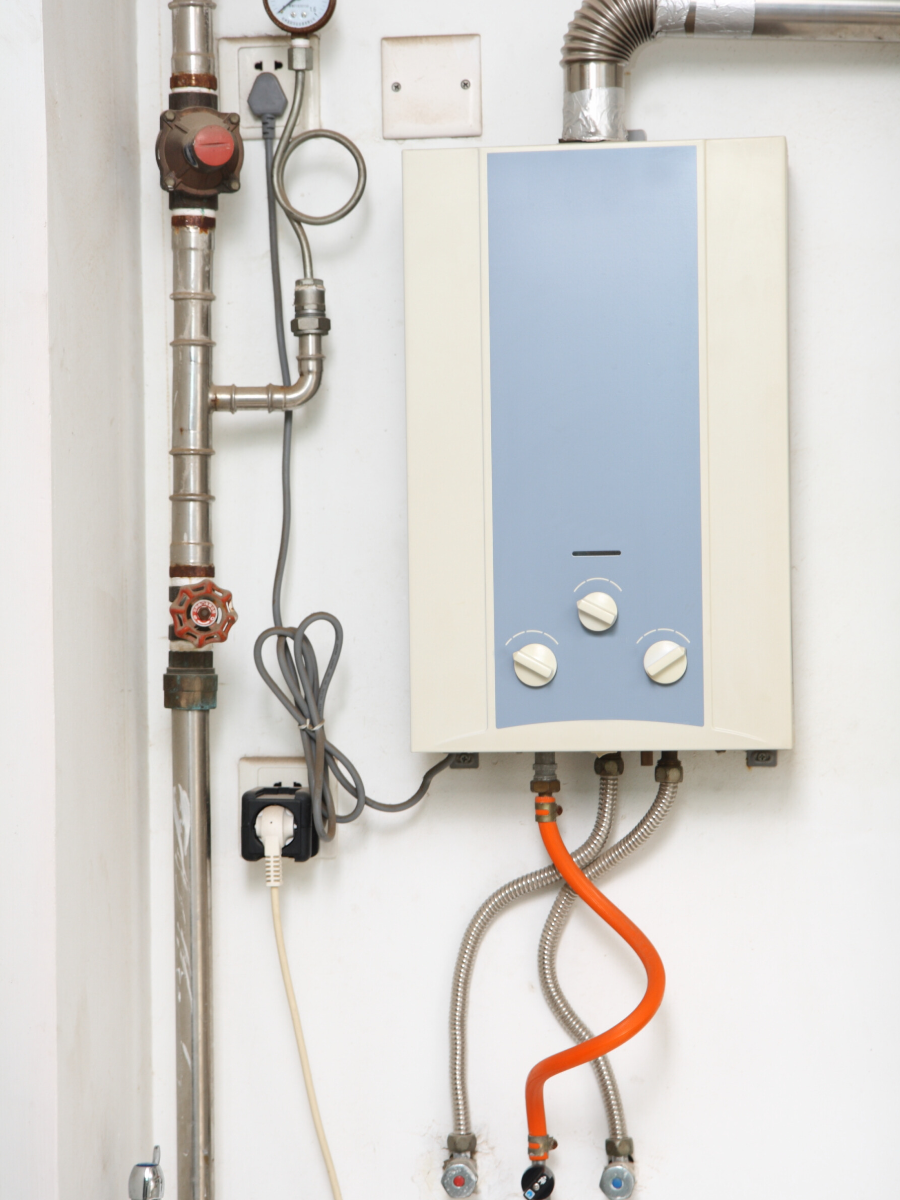
 5 Steps to Choosing the Right Tankless Water Heater
When picking a tankless water heater, calculate your household’s peak hot water demand (measured in gallons per minute [GPM]), figure out the required temperature rise based on your local groundwater temperature, choose between electric or gas power, and determine installation requirements. The correct size and fuel type will give you consistent hot water without performance issues.
This helpful step-by-step guide helps you through the process and makes sure you get the right size and output options for your new tankless water heater.
Quick Takeaways
- Flow rate (in GPM) and temperature rise are used to determine sizes for tankless water heaters
- It’s calculated by figuring out how many fixtures might be running at the same time
- Southern homes, especially in Florida, require a lower temperature rise than nothern ones
- Gas models generally have higher outputs than their electric counterparts
- Professional installations ensure proper venting, the correct size, and local code compliance
- Pressure/temperature problems are often due to over- or undersized units
What Is a Tankless Water Heater?
A tankless water heater provides hot water by raising the temperature of the water inside the pipe.
Gas-powered units: Water passes through a copper coil over a gas flame.
Electric units: The pipe contains electric heating elements.
Traditional water heaters use tanks to store heated water, which reduces energy efficiency as the unit must work constantly to keep the water hot. Tankless models heat water only when you need it.
Proper sizing is essential: if it’s too small, there won’t be enough hot water; too large and you’re wasting money.
Step 1: Calculate Your Peak Hot Water Demand (GPM)
Your peak hot water demand is the maximum amount of hot water you’ll need at one time. To calculate it, add all appliances you might use simultaneously.
The following chart, listed in GPM, can help estimate your needs:
- Shower (1.0-2.0)
- Bathroom sink (0.5-1.5)
- Dishwasher (1.0-2.5)
- Washing machine (1.5-3.0)
- Kitchen sink (3.0-7.0)
A dishwasher (2.5 GPM), washing machine (2.5 GPM, and a shower (1.5 GPM) running at the same time will require a unit capable of 2.5 + 2.5 + 1.5 or 6.5 GPM. Remember the bathrooms, as a three-bathroom home needs more GPM than a one-bathroom.
Step 2: Determine the Required Temperature Rise
Temperature rise: Number of degrees needed to raise the water temperature to make it hot enough.
In Tampa, the average groundwater temperature is typically 70-75 degrees. To reach 120 degrees, you’ll need 120-75=45 degrees of temperature rise.
Step 3: Choose Between Gas and Electric
Gas Tankless Water Heaters
- Higher capacity
- Ideal for larger households
- Needs a venting system
Electric Tankless Water Heaters
- Lower upfront cost
- Easier installation
- Higher monthly energy bills
Step 4: Consider Installation Requirements
Common installation requirements include:
- Gas line sizing
- Electrical panel capacity
- Venting needs
- Space requirements
- Plumbing configuration adjustments
A good professional plumber can easily help you with these evaluations, and their advice can be invaluable every step of the way.
Step 5: Factor in Efficiency and Operating Costs
Water heaters have energy efficiency ratings that help estimate their cost. Higher installation costs often lead to long-term savings through lower monthly costs.
Properly maintained tankless lifespan: 18-20 years
Traditional unit: 8-12 years
Common Mistakes When Picking a Tankless Water Heater
 Make decisions only on initial install price
- Ignoring peak demand hours, which can lead to higher bills
- Underestimating potential necessary electrical upgrades
- Failing to future-proof household changes
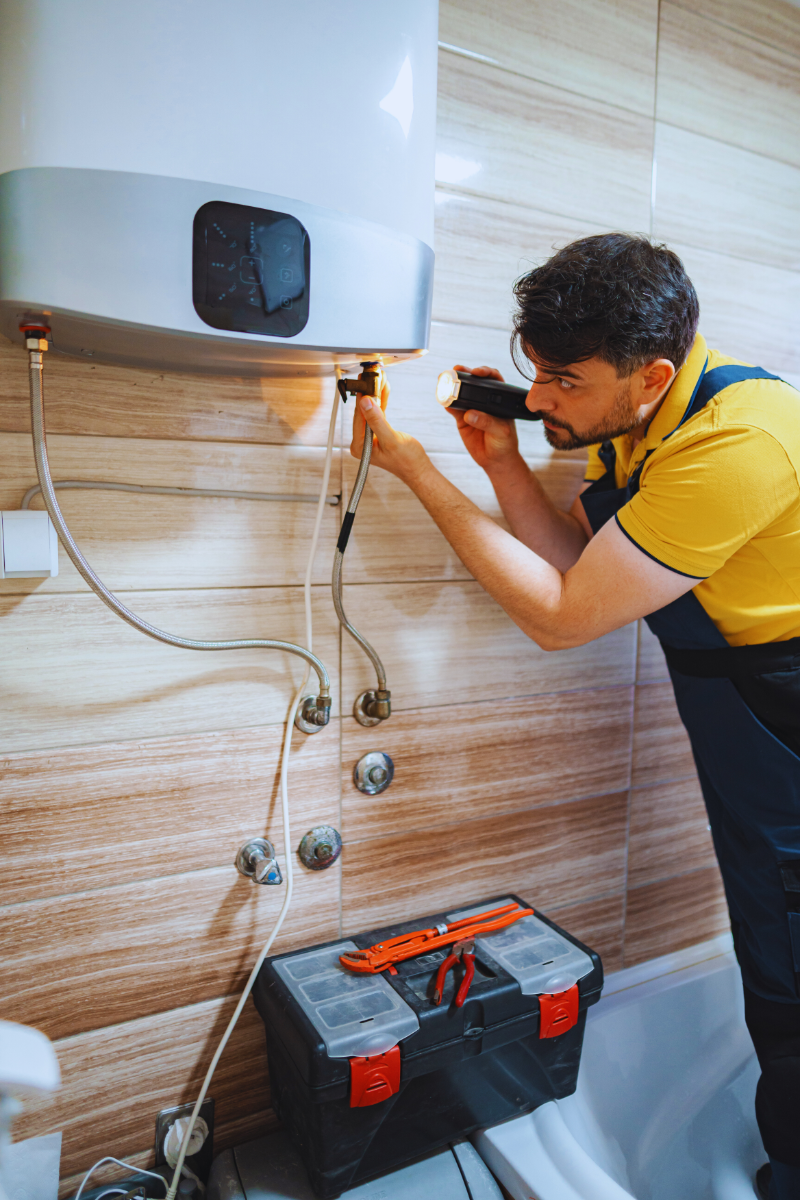
- Attempting a DIY install, which can lead to disastrous results
Is a Tankless Water Heater Right for Your Tampa Home?
First, consider the size of your home, the hot water demands of the people who live there, and the amount of space you have. If you don’t use a lot of hot water concurrently, price is a factor, or you have space limitations, you may be better off with a traditional water heater. Otherwise, tankless is the way to go.
FAQs About Picking a Tankless Water Heater
What size tankless water heater do I need for a 3-bedroom home?
The exact size depends on your home’s optimal GPM flow rate, but we generally recommend at least an 8.0 GPM unit.
How many gallons per minute does a tankless water heater provide?
It depends on the unit’s flowrate. Most tankless water heaters are rated between 2 and 12 GPM.
Is gas or electric better for tankless systems?
There are pros and cons to both, and the right model for your home depends mostly on personal preference.
Can one tankless heater run multiple showers at once?
Yes, with the correct size. If each shower takes 2.5 GPM and your water heater has a 5.0+ rating, you can run both showers simultaneously.
Does Tampa’s warm groundwater affect sizing?
Yes. Because Tampa’s groundwater is warmer, you’ll need less temperature rise for the desired temperature.
How long do tankless water heaters last?
A well-maintained tankless unit lasts up to 20 years. Electric units last slightly longer, as corrosion from gas units can damage pipes.
Ready to Install a Tankless Water Heater in Tampa, FL?
 Benjamin Franklin Plumbing proudly installs and services tankless water heaters throughout Tampa, Florida, and the surrounding area. Our licensed plumbers can determine your exact GPM needs, evaluate your gas or electrical setup, and properly install your tank to make sure everything’s perfect.
For endless hot water throughout your home, installed correctly the first time, call Benjamin Franklin Plumbing, the Punctual Plumbers. Call us to schedule your Miami tankless water heater consultation with Benjamin Franklin Plumbing today!